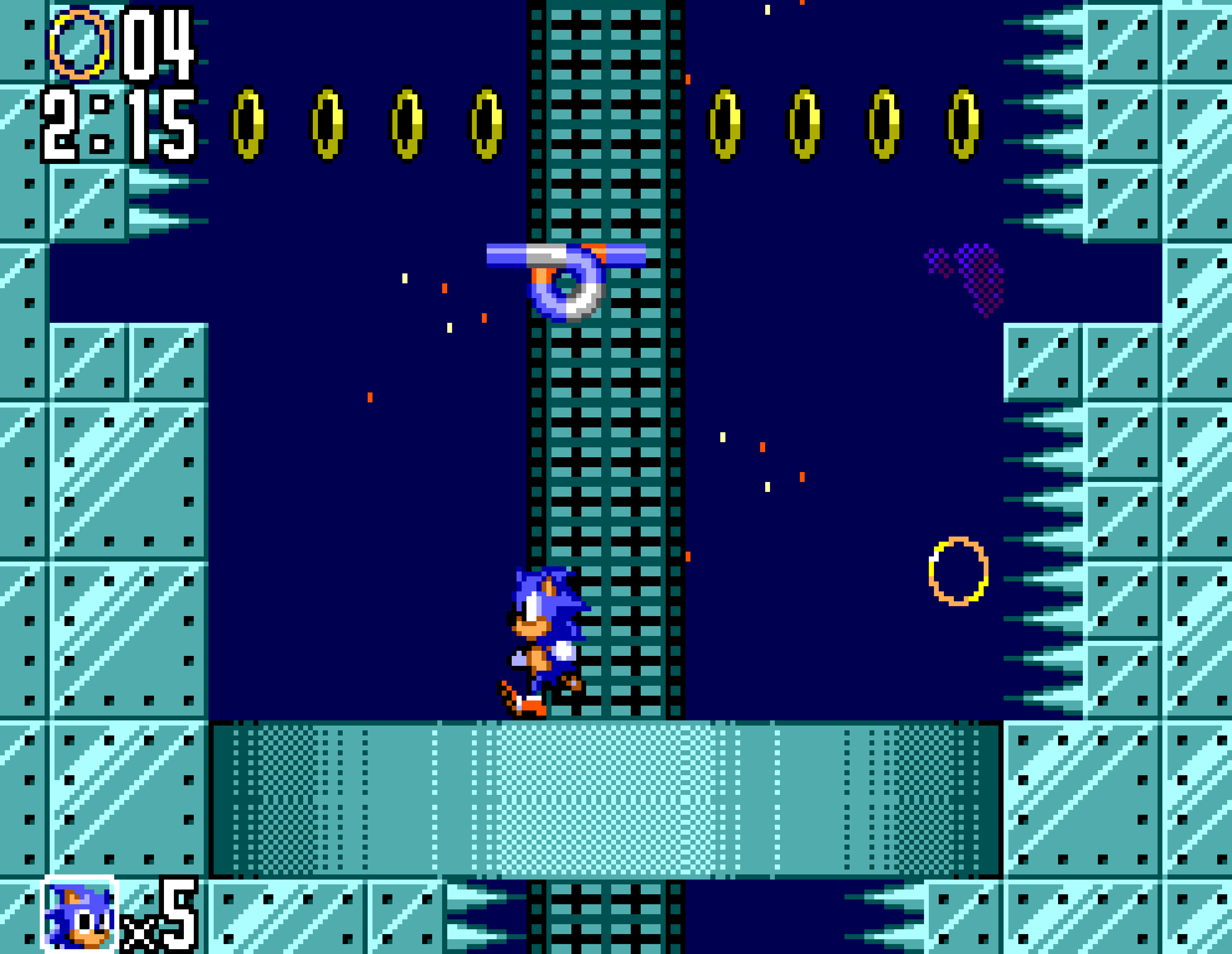
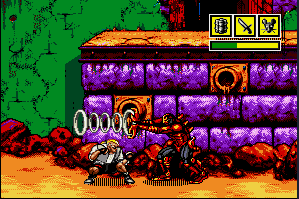
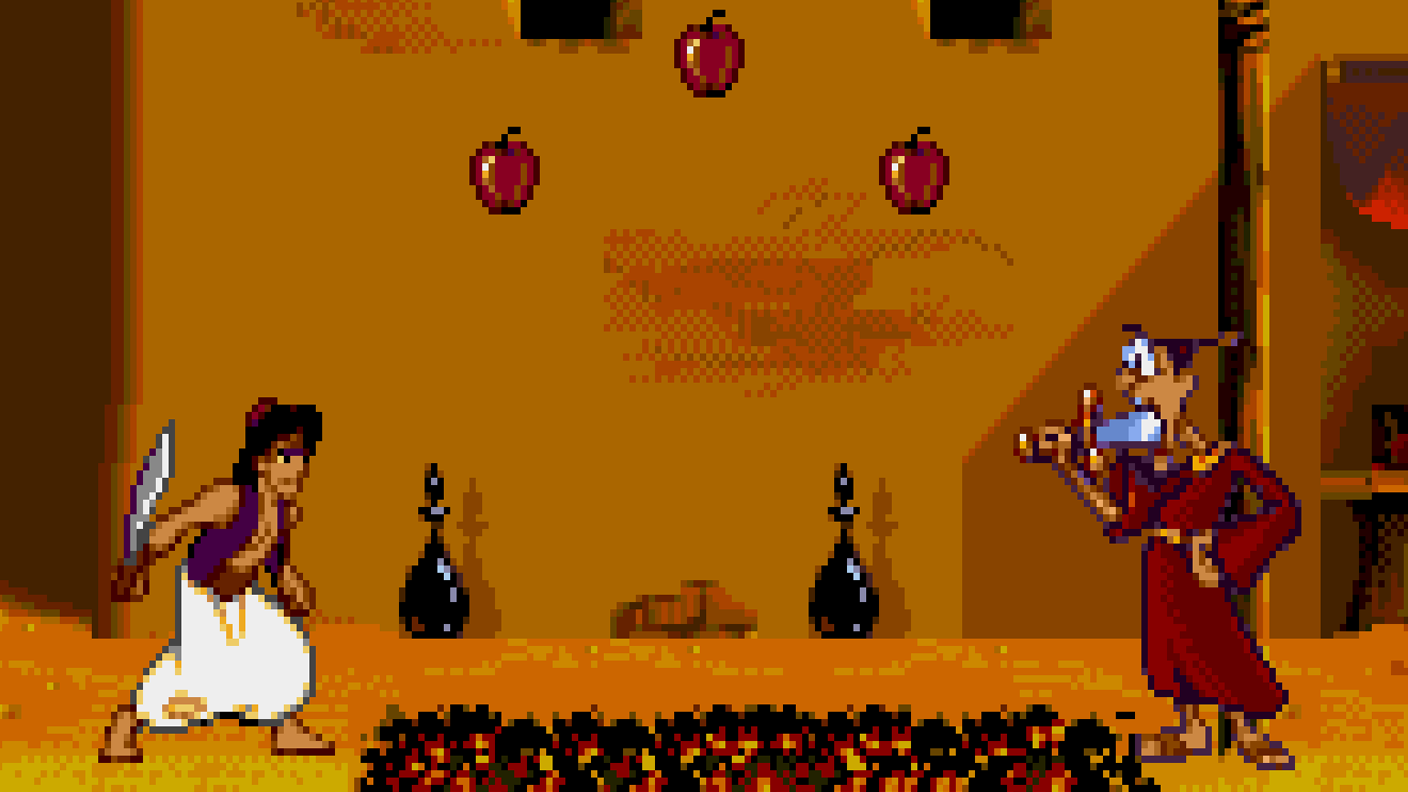
Let's dive into the core mechanics and experiences of some of Sega Mega Drive's most iconic titles. For instance, Sonic the Hedgehog 2 isn't just a platformer; it's a masterclass in momentum-based gameplay. The controls are deceptively simple: move left or right, jump, and spin dash. Yet, mastering these inputs to maintain speed, navigate intricate loops, and discover hidden paths is where the true genius lies. The difficulty curve is perfectly balanced, starting with accessible zones like Emerald Hill and progressively introducing more complex challenges in levels like Chemical Plant and Metropolis Zone. Visually, the game is a vibrant explosion of color, with distinct themes for each zone, from lush tropical landscapes to industrial complexes. The parallax scrolling adds a sense of depth and speed that was revolutionary for its time. Overall, playing Sonic 2 is an exhilarating experience, a pure rush of speed and platforming precision that holds up remarkably well decades later. Its innovative level design encourages multiple playthroughs, rewarding players who master its unique blend of speed and exploration. The game's lasting appeal is a testament to its impeccable design and the sheer joy it delivers with every sprint and loop. The cooperative mode with Tails also added a unique dimension, allowing for shared experiences and strategic teamwork, further enhancing its replayability and cementing its place as a cooperative classic.
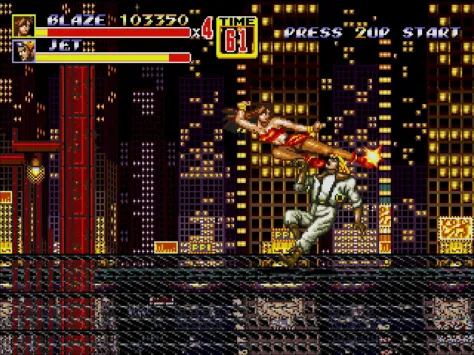
Moving to Streets of Rage 2, this game redefines the beat 'em up genre. The controls are tight and responsive, offering a surprising depth of moves for each character, from Axel's powerful Grand Upper to Blaze's agile somersault kicks. The game's difficulty is challenging but fair, requiring players to learn enemy patterns and utilize their special moves strategically. Visually, the game boasts larger, more detailed sprites than its predecessor, with a gritty, urban aesthetic that perfectly complements the narrative of reclaiming the city from crime. The animations are fluid, making every punch and kick feel impactful. The overall impression is one of intense satisfaction, especially in cooperative play, as you clear screen after screen of thugs to the backdrop of an unforgettable electronic soundtrack. The diverse roster of characters, each with unique fighting styles and special attacks, ensures that every playthrough feels fresh and engaging. Its enduring legacy is a testament to its superior gameplay, memorable soundtrack, and compelling atmosphere, making it a cornerstone of the beat 'em up genre and a true cooperative classic.
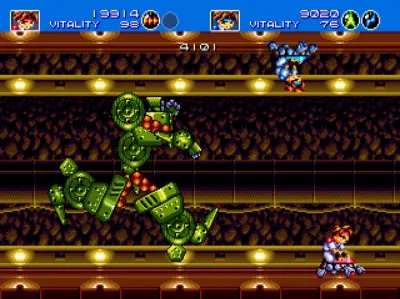
Then there's Gunstar Heroes, a game that pushes the Mega Drive to its absolute limits. Its gameplay is a frantic, non-stop barrage of bullets and explosions. The controls are intuitive for a run-and-gun, allowing for precise movement and aiming. What sets it apart is the innovative weapon combination system, letting players mix and match two different weapon types to create unique firing patterns, adding immense replayability and strategic depth. The difficulty is notoriously high, demanding quick reflexes and pattern recognition, but never feels unfair. Visually, the game is a marvel, with massive, multi-jointed bosses and an incredible amount of on-screen action without significant slowdown. The colorful, energetic art style perfectly matches the chaotic gameplay. Gunstar Heroes is an absolute triumph of game design, a pure adrenaline rush that remains a benchmark for action games. Each playthrough offers new challenges and discoveries, making it a truly timeless experience. Its technical prowess, combined with its innovative gameplay mechanics, solidified its reputation as one of the most exciting and challenging games on the platform, showcasing the Mega Drive's ability to handle intense, fast-paced action without compromise.